
Area News
Time for a cuppa? 5 Minutes with Andy Thripp
Read More


PROPERTY VALUE
Get an accurate property valuation, with just a few details…
VALUE MY PROPERTY
VALUE MY PROPERTY
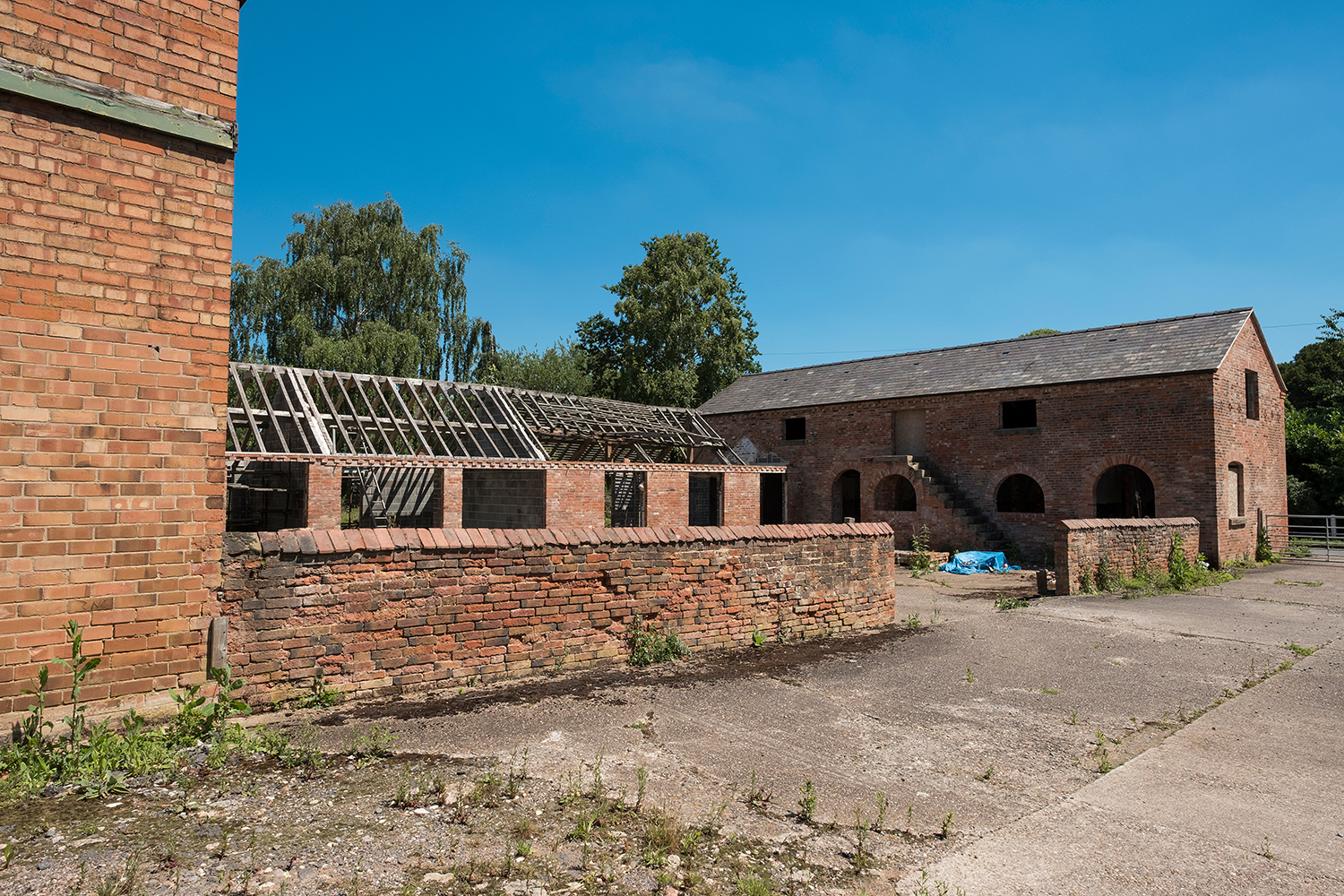
For the past decade, Class Q permitted development rights have allowed agricultural buildings to be converted into homes without the need for full planning permission. These rights enable specific building works without requiring full approval, though strict rules must still be followed.
Under Class Q, the building must be structurally sound for conversion, and the work must not involve a substantial rebuild. It must have been in full agricultural use as of 20 March 2013. If it began agricultural use after that date, the building needs to remain in agricultural use for ten years before being eligible for conversion.
Additionally, the building must have been used solely for agricultural purposes as part of a business. Many applications fail because the building’s agricultural use was not business-related or was partially usedfor other purposes, such as equestrian activities or domestic storage.
It allows the conversion of agricultural buildings into up to five small homes (below 100m² each) or three large homes (over 100m² each), with the total floor space for the large homes not exceeding 465m². If a combination of large and small homes is proposed, you can have up to five homes, with the largest being 465m². For example, you could create one large 465m² home and four 100m² homes. Extensions are not permitted, and gardens and parking areas must not exceed the building’s original footprint.
Class Q rights do not apply in protected areas like Areas of Outstanding Natural Beauty (AONBs), national parks, World Heritage Sites, Sites of Special Scientific Interest, or safety hazard areas. They also don’t apply to scheduled ancient monuments or listed buildings, which require full planning permission. Furthermore, buildings constructed under permitted development rights are not eligible for conversion under Class Q.
Even if these conditions are met, prior approval from the local planning authority is still required. This involves submitting plans, surveys, and a fee. The planning authority has eight weeks to respond and will evaluate the project’s transport and noise impacts, contamination risks (such as from agricultural chemicals), and potential flooding. The authority will also ensure the proposed homes meet national standards for space and natural light and will check whether the conversion is impractical or undesirable. The design of the building’s exterior will also be reviewed.
While these rules offer the potential for barn conversions, many projects still require full planning permission. This is because the scope of work allowed is quite limited. Only work that is essential to converting the building, such as installing or replacing walls, windows, doors, roofs, and services like water, electricity, and drains, is allowed. Some demolition is permitted if necessary for the conversion, but the building must already be in good enough condition for only minor modifications to be needed.
Common issues with these kinds of applications include inexperience leading to non-compliance with the regulations, which often results in rejection by the planning authority. Other problems arise when the work proposed exceeds what’s considered necessary, or when there are concerns about noise due to the building’s location on a working farm. Some buildings are also considered impractical because they are too isolated. Design issues may occur when the proposed conversion doesn’t retain the building’s agricultural character, either through inappropriate materials or too many new features. Additionally, inadequate private amenity space often leads to rejection.
Regardless of how permission is obtained, all barn conversions must comply with building regulations. These ensure the building is safe and sustainable, covering issues such as fire safety, structural integrity, and insulation.
To increase the likelihood of success, seek professional advice early on. Hire an architect experienced in barn conversions and consult surveyors and structural engineers to assess the condition of the building. The level of repair work needed may determine whether you go for Class Q or full planning permission. Review your local planning authority’s portal to see which applications have been approved or rejected, and use their pre-application advice service. If you foresee difficulties in getting approval, consider hiring a planning consultant for expert guidance.
Though Class Q provides an opportunity for converting agricultural buildings, the restrictions are significant. Careful planning, professional consultation and a good understanding of the regulations are essential to navigating the process and successfully achieving your conversion goals.