
Area News
Time for a cuppa? 5 Minutes with Andy Thripp
Read More


PROPERTY VALUE
Get an accurate property valuation, with just a few details…
VALUE MY PROPERTY
VALUE MY PROPERTY
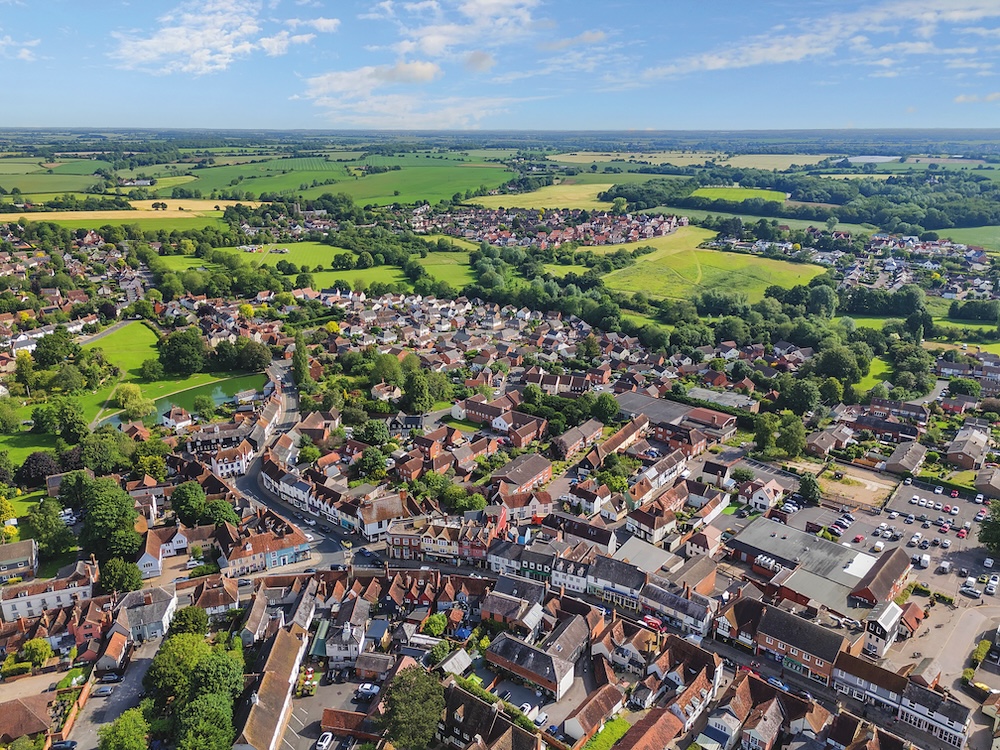
Biodiversity Net Gain (BNG) is a new legal requirement affecting most types of planning applications in England.
The new legislation is to ensure the biodiversity value of devel opment sites are measurably improved because of development. To achieve this, the law requires most planning applications to demonstrate a minimum 10% gain for biodiversity.
This new legal requirement was introduced for major sites on the 12th of February 2024. Small sites were given an exemption until the 2nd of April 2024. Since this date, the requirement has applied to small sites as well as major.
Some other, generally minor developments, remain exempt for the foreseeable future.
The following developments are exempt from the legal BNG requirement:
There is also a de minimis exemption. This means that develop ment that meets both of the following two tests is also exempt from the BNG requirement:
1. The development does not impact an onsite “priority habitat”
2. The development impacts:
In some local areas, Councils have adopted their own Biodiversity Net Gain planning policies that apply to sites and developments that would otherwise be exempt from the legal BNG requirement. If this is the case in your area, you will be expected to comply with the local BNG policy.
If you believe your development is exempt, you must include a statement explaining why it is exempt, alongside your planning application.
If your development is not exempt, you are required by law to submit a Biodiversity Gain Plan before you commence development. You must not commence development until the plan is approved. The plan will demonstrate how the minimum 10% biodiversity gain will be achieved.
In addition, you must submit a biodiversity metric calculation alongside your planning application. This must be calculated using the government’s statutory biodiversity metric tool, which is also available online. The metric assessment should be completed by a competent person. Although you do not necessarily need to share your Biodiversity Gain Plan with the council at this stage, you will likely require a draft version in order to complete the metric assessment.
Our advice is to submit your draft Biodiversity Gain Plan alongside your planning application, as you may receive valuable comments on its contents that will assist you in refining it. This will increase the chances of your final plan being approved the first time around.
Finally, you will need to submit a plan (drawing) that accurately shows the type and extent of all existing site habitats. This will require a site walkover.
The government’s expectation is that the full 10% gain will be delivered within the boundaries of the development site wherever possible. This will be achieved via the provision of new or enhanced green infrastructure. This includes things like woodlands, hedgerows, meadows, ponds and any other landscape features that provide wildlife habitats. You can extend or improve an existing habitat or create a whole new one.
The land owner will be legally responsible for both creating and maintaining the new habitat/s for a minimum period of 30 years.
If the 10% gain cannot be delivered onsite, there are two remaining options. However, you must be able to clearly justify why the net gain cannot be achieved at the original location. If you are able to deliver less than the 10% gain onsite then you should do so and use the remaining options to make up the shortfall.
If you are unable to deliver the full 10% gain onsite, then the next best option is to deliver the gain offsite. This means creating new or enhanced habitats on land outside of the development site. This could be on adjacent land, or a site anywhere in England. It’s worth noting that the biodiversity metric does look more favourably on offsite gains that are located close to the development site.
You can either make your own offsite gain on land in your ownership or you can buy offsite “units” from a land manager. There are already many companies in England off ering these units for sale.
If you choose to deliver the gain on your own land, you will be legally responsible for maintaining the new habitat(s) for a minimum period of 30 years. If you purchase your offsite units from a land manager, they will be legally responsible for maintaining the habitat(s) over this period.
Buying statutory credits is a last resort. It is only an option for developers who cannot achieve onsite or offsite biodiversity net gain. Developers who wish to buy statutory credits must prove why they cannot achieve the 10% gain using one or both preferred options outlined above.
Developers can use a combination of the 3 options but must prioritise options 1 and 2, in order. If, for example, a developer can achieve a 5% onsite gain and a 3% off site gain then they should only purchase statutory credits to make up the remaining 2%.
To purchase statutory credits, you must apply to Natural England. Natural England aims to consider your application within 8 weeks. Any credits you purchase will be non-refundable.
Biodiversity Net Gain is now a significant factor in the planning process, with strict legal requirements and detailed steps that must be followed to achieve compliance.
Whether your project is exempt or requires a full Biodiversity Gain Plan, early preparation and the right advice can make the difference between a smooth approval and costly delays. Our experienced Land Team can guide you through the process, help you identify the best route to achieve your biodiversity targets, and ensure your development meets both legal and local policy requirements.
Get in touch with our Land Team today to discuss your site and explore your options.